Time is valuable. So much so that we often hear people say that time is money. This couldn’t be more true. Think about the choices we have with our time: We can spend it with the people we love… We can spend it doing things we enjoy… We can spend our time learning and growing our skillset… Or we can spend our time working. I don’t know about you, but editing client work is not my favorite part of this job. Even if you’re doing photography as a hobbyist, think about this: Would you rather sit in front of your computer editing photos, or have more time out there shooting? I’m pretty sure I know your answer. That’s why I want to talk to you about the one simple way I drastically reduced my editing time, without even touching my computer.
It’s really so simple that, when this first occurred to me, I couldn’t believe I hadn’t realized it sooner. But bad habits are like that. They sneak up on us and make their way into our lives, often before we even realize they are there. Here is my confession:
I was a chronic overshooter.
Looking to improve your photography?
Just enter any questions you have about improving your photography below and hit send and get answers & feedback instantly - for FREE!
Submit Questions
From session to session, I was taking WAY. TOO. MANY. PHOTOS. When I was on a photo shoot, I would take so many pictures that I was completely destroying my culling time. I would end up with hundreds and hundreds of images to sort through, and here’s the kicker: so many of them looked like the Exact. Same. Shot. Not only was this a waste during the session, but it caused me to spend an enormous amount of valuable time sorting through them, agonizing over which of the identical shots was “the best.” Sound familiar?
Overshooting was a bad habit of mine until I finally said NO MORE. Here are some things I’ve learned!
Why We Overshoot
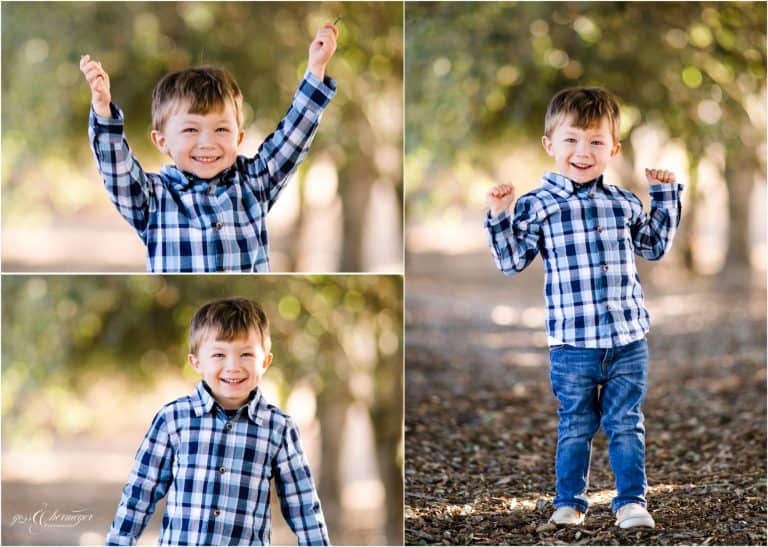
To be honest, I always click that shutter a little more when I’m photographing young children. They’re unpredictable and move quick! To some degree, this is reasonable. But as I evaluated my chronic overshooting habit, I realized these were not isolated incidents for me. I tried to blame my bad habit on young, moving subjects, but in the end, my desperate theory held no water. This habit extended well beyond the reach of my work with children. There had to be more.
Most of the time when we overshoot, it’s an attempt to compensate for something. Are you insecure in your ability to capture a good moment? Are you feeling rushed or nervous? Maybe you are overshooting out of desperation to get a good shot. Whatever the reason may be, stop and evaluate what is happening when you overshoot.
Time for another confession. At one point, I was taking nearly 400-500 photos on average, for an hour long photo session. I only deliver approximately 35 final images to my clients. This overshooting had to stop.
I have been amazed at the change since I decided to leave this bad habit behind. I now take about half as many shots as I did before, and often less than that. This has done wonders for my editing time. Thanks to the awesome Lightroom courses in Cole’s Clique, I have learned countless tips and tricks about speeding up my Lightroom workflow, but this bad habit was still holding me back. Even the best workflow can’t solve the problem of culling hundreds of duplicate images!
Having the best training and tools available can’t compensate entirely for the way overshooting destroys your productivity. When I realized how much time I was wasting during my editing time, I knew something had to change.
But something else happened that I didn’t expect… My photos improved. When I take the time to slow down, I can be intentional to capture genuine moments. I have learned to wait on the shot instead of aimlessly hoping for one. By being intentional when I click the shutter, I have learned to observe my subjects and notice things I may have missed before. I also had to come face to face with my own insecurities as a photographer. It’s easy to get lost in the fear that we aren’t good enough and try to compensate for that in some way. But no more. I have learned to trust myself more. I never expected the quality of my photos to increase when I stopped overshooting, but they did!
“I have learned to wait on the shot instead of aimlessly hoping for one.”
If you’re spending loads of time culling through tons of images that look the same, it may be time to reevaluate. Overshooting will only hold you back. Take control of your images and get out from behind that computer and doing more of what you love!
If you’re new to photography, one of the concepts and terms you’ll hear constantly is exposure. You might be reading a tutorial about getting scenes exposed correctly or you may get feedback on a photo you share saying it’s overexposed or underexposed. Proper exposure is a fundamental concept of photography. Understanding what it is will…
Have you ever struggled with putting together advertisements and client resources because you didn’t know how to make a collage in Photoshop? Let’s change that! Photoshop can be intimidating if you are not familiar with it, but it is also a powerful tool that will allow you to customize marketing materials. Even if you are…
A LUT, also known as a look up table, is a trusted color grading method for video editing. LUTs are useful in photo retouching via Photoshop. LUTs photoshop processes provide a blueprint of matching colors in photo or video footage. With just one click, you can implement a color grade process to an entire picture or…
Ever wonder how the heck to swap faces in Photoshop? Don’t worry, it’s easier than you think! I’m mostly a Lightroom girl, but every now and then there are things I need to do that make Adobe Photoshop a must-have. One of those things is doing a headswap. Every now and then, I run into…
Photoshop has numerous options available to let you adjust images. One of those features is image flipping, which can allow you to flip an entire image, create mirror effects, or flip a single part of an image to suit your needs. By doing so, you can help better integrate an element into a larger image…
You can add clouds to an image to create an interesting atmospheric effect and replace a plain blue sky. Learning how to add clouds using Photoshop is easy and will allow you to create the exact mood you’re looking for in your pics. Pic by Bessi (available under Pixabay License) First Method: Easy Cloud Filter…