As the one behind the camera, chances are, you aren’t in photos very often. But it can be so rewarding to actually be in the frame… to not just capture the memories, but to be in them, too. That is precisely why I decided to learn how to take a self portrait. I wanted to be able to be in the frame with my kids. I want them to have photos with me. But the reality is, a self portrait can be one of the most difficult photos to take. If you have struggled to get in the frame, whether with your own family or even capturing your own memories, here are a few quick tips!
What You Need
You don’t need much! Just:
Your camera
A tripod, a stack of books, or any trustworthy sturdy surface to set your camera on
A remote (or your camera’s timer)
wo
Use a Stand In
Have someone or something available for you to be able to set your focus point and to meter your exposure off of. In the image above, I was able to use my daughter to set my focus point and exposure, since she was going to be in the shot with me. While I was behind the camera, she sat on the couch while I locked the focus point on her. Once I had the camera all set, I snuck into the frame, snuggled her into me and clicked the remote. We are both in focus because I was sure to sit in the exact same plane where she had been when I focused on her.
Looking to improve your photography?
Just enter any questions you have about improving your photography below and hit send and get answers & feedback instantly - for FREE!
Submit Questions
If you are doing your self portrait alone, you can use any object, (like a coffee cup or a flower vase, etc.) as your stand in. The stand in is simply to aid you in achieving focus and exposure in the exact spot where you will be at during the self portrait.
I have done self portraits with both my camera’s built in timer and with a remote shutter release. I do like the control I have by using the remote, but if you don’t have one, the timer will work just fine! I like to take multiple shots at once, so that I can save time running back and forth to check for a good shot. This is easy with the remote, but most cameras will also allow you to set the number of shots fired with the self-timer as well. Each camera is different, so please refer to your camera’s manual for how to set up your timer.
I really love the depth of shooting wide open, but if I’m shooting a self portrait, that is a time I’m more likely to close down the aperture just a little. If you are having trouble achieving proper focus on your self portraits, consider giving yourself some margin for error by stopping down a little. But by all means, if you are able to nail focus wide open, go for it! Shooting wide open gives great subject to background separation that is appealing in any portrait.
Get creative
One of the things I love about self portraits is that there really is no limit to how creative you can get. Think outside of the box to capture something a little different! In my “morning coffee” image above, I took the creative liberty of making the entire shot completely out of focus. There is no end to the ways you can truly make this portrait your own – and it should be!
Let us know if you’re up for this fun challenge. Understanding how to take a self portrait will give you so much more freedom to get in the frame. Give it a try, you’ll be glad you did.
Does Real Estate photography seem overwhelming? Don’t worry, we have you covered! Find a home in real estate photography and start becoming a real estate photographer with these tips! As more people shop for homes online, a talented real estate photographer can be a realtor’s best secret weapon. Get the spec sheet real estate photography,…
Get Sharper Photos FAST With These Easy to Implement Tips for Sharper Photos! If there is ONE thing a photo needs to be, it’s sharp. Unless you’re purposefully aiming for an out of focus, creative look, getting sharper photos is something I think all of us are working towards. And guessing by the number of…
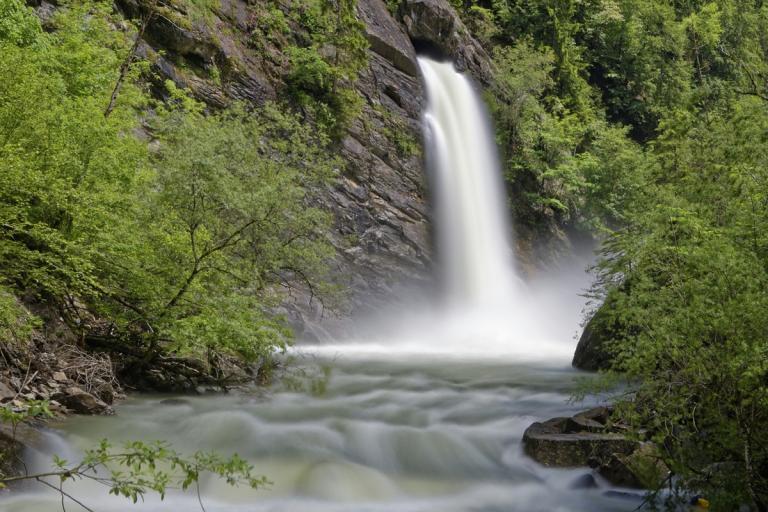
Change your view with long exposure photography! Use longer shutter speeds to create texture, depth and light in your scene! Long exposure photography is a straight forward technique that can add new depths to your images. By simply changing the length of time we leave our camera’s shutter open, we can completely change the images…
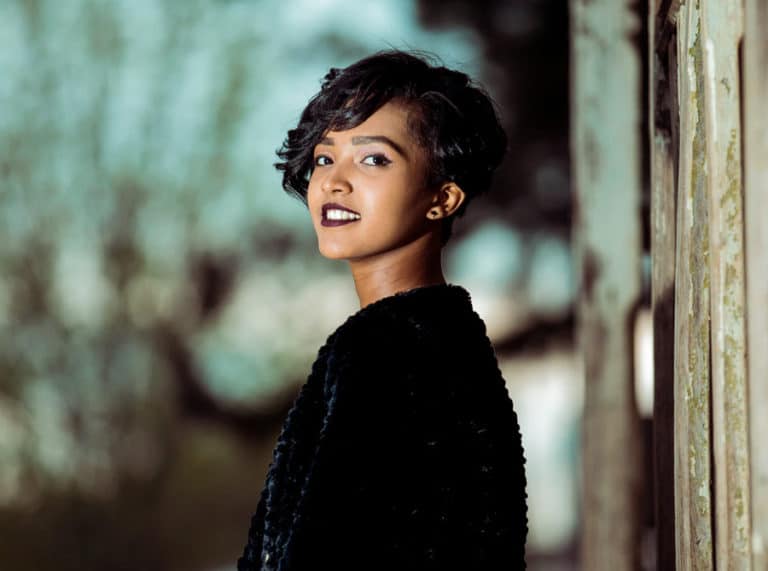
A good portrait should capture your subject in a unique manner and convey emotions. Focusing on your subject, their outfit, and pose is a natural way of approaching portrait photography, but you shouldn’t neglect the background choice. The background you select can set the tone and mood of the shot. Here are a few tips…
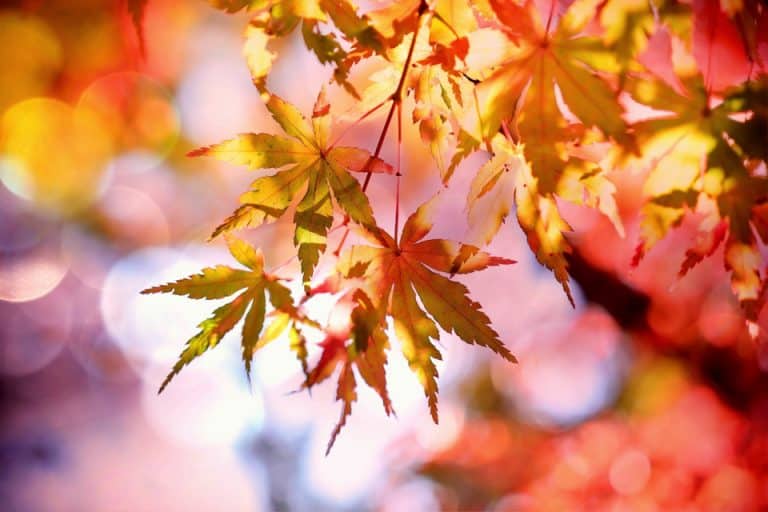
Wondering how your favorite landscape photographer gets such stunning Instagram worthy autumn images? Read on for 9 pointers to enhance your autumn photos. Autumn is probably the most eye-catching season of the year for photography. The bright-colored autumn leaves are irresistible and the weather is usually in your favor so you’re not suffering from the…
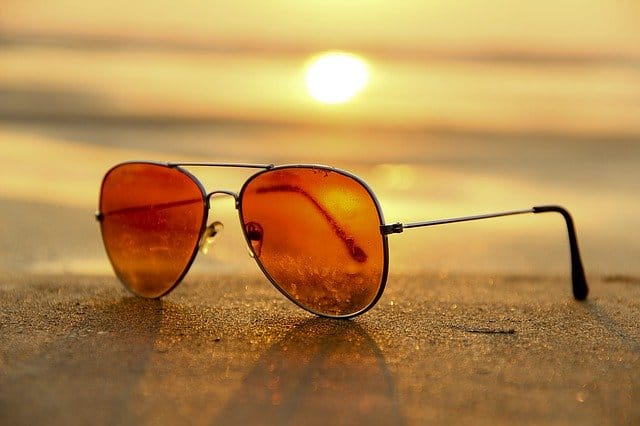
Some photos are beautiful enough to look like blended paintings and can rack in plenty of comments when you post them on your Instagram. However, finding ways to blur or blend the background without using special effects in photoshop can be tricky. One way that photographers can create unique effects without having to do any…